East Cobb vs Sandy Springs: Which Area Offers More Space?
July 16, 2026
July 16, 2026
Need more room to live, work, host, or grow, but not sure whether East Cobb or Sandy Springs makes more sense? You are not alone. Many buyers in northern Atlanta are weighing space at home against commute options, housing style, and day-to-day rhythm. This comparison will help you understand where each area tends to fit best, especially if more square footage, more bedrooms, or better backyard potential is high on your list. Let’s dive in.
If your top goal is more space at home, East Cobb is generally the stronger default choice based on the available housing data. The East Cobb proxy area in Northeast Cobb shows a housing stock that leans heavily toward owner-occupied, single-unit homes. Sandy Springs, by contrast, has a more mixed citywide housing profile with a much larger share of attached and multifamily homes.
That does not mean you cannot find a spacious home in Sandy Springs. You absolutely can, especially in lower-density parts of the city. But if you are starting your search with a wide net and want the odds to favor detached homes, larger bedroom counts, and yard-oriented living, East Cobb tends to align more closely with that goal.
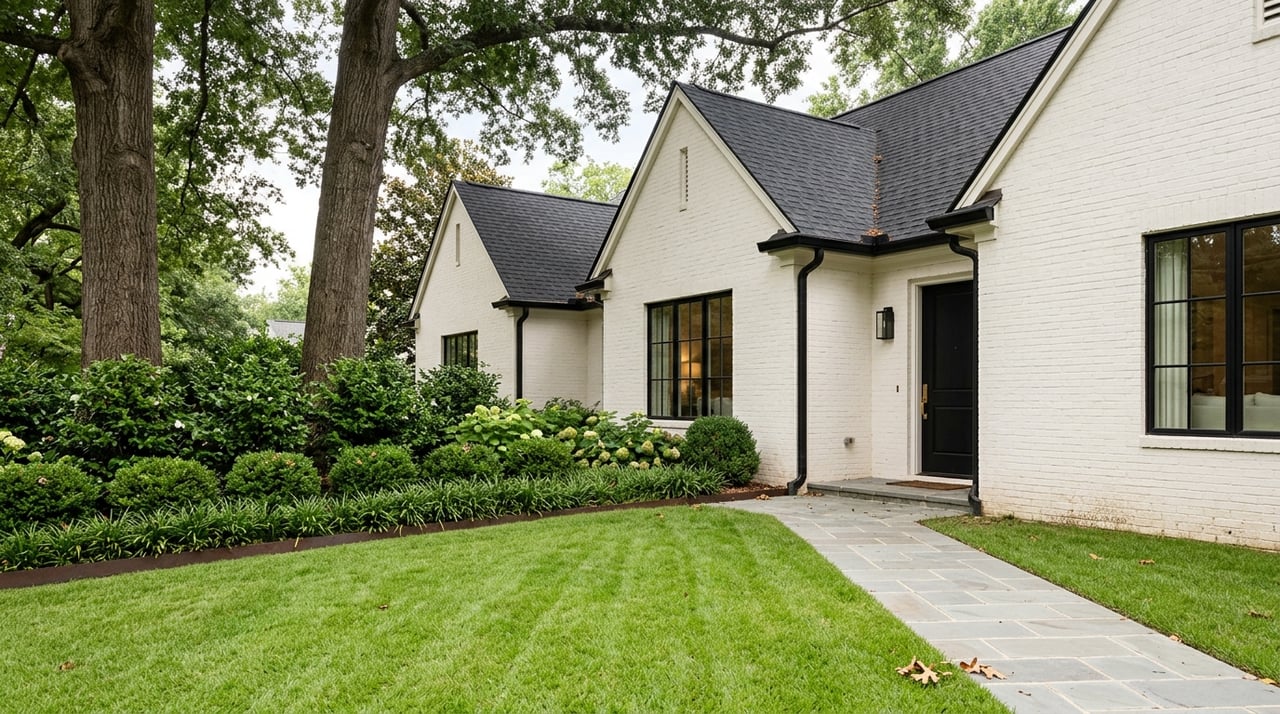
East Cobb is an unincorporated residential area in Cobb County rather than a separate city. Using the Northeast Cobb Census County Division as the closest proxy, the area covers 67.3 square miles and has 168,128 residents. That larger footprint, combined with its suburban development pattern, helps explain why buyers often experience East Cobb as more consistently space-oriented.
The housing data supports that impression. In the Northeast Cobb proxy, 81% of housing units are single-unit structures and 78% of occupied homes are owner-occupied. Cobb County’s consolidated plan also reports that 71% of the county’s housing stock is 1-unit detached, and 93% of owner-occupied homes have three or more bedrooms.
For you as a buyer, that matters because it increases the likelihood of seeing homes built for everyday spread-out living. Think more detached-home options, more bedrooms, and a better chance of finding the backyard setup you want. This is an inference from housing-stock data rather than a direct lot-size study, but it is a useful one when you are comparing markets.
Sandy Springs is an incorporated city with 37.7 square miles and 105,506 residents. At the city level, its housing mix is more varied than East Cobb’s. Recent Census estimates show that 56% of housing units are multi-unit structures, and 52% of occupied units are renter-occupied.
The city’s housing assessment also found that most net new construction from 2010 to 2019 was multifamily rental housing. During that period, Sandy Springs added 4,938 multifamily rental units, 1,127 single-family attached units, and 333 single-family detached units. That pattern helps explain why the city often offers more housing variety, but not always the same consistency of detached-home inventory you may find in East Cobb.
Still, Sandy Springs is not one-note. Its comprehensive plan identifies low-density Protected Neighborhoods, and some parts of the city are intentionally preserved in a lower-density form. So the real comparison is not urban versus suburban. It is more accurate to think of it as more uniformly detached in East Cobb versus more varied in Sandy Springs.
When you are searching for “more space,” home type is often the biggest factor. A market with more detached homes usually gives you a better chance at larger floor plans, more bedrooms, and more outdoor area. That is why East Cobb stands out in this comparison.
Here is the clearest side-by-side view:
| Factor | East Cobb proxy | Sandy Springs |
|---|---|---|
| Single-unit structures | 81% | Lower citywide share due to 56% multi-unit structures |
| Owner-occupied share | 78% | 48% |
| Average household size | 2.6 | 2.2 |
| Median owner-occupied home value | $514,900 | $732,100 |
| Mean travel time to work | 29.0 min | 25.8 min |
For many buyers, that mix points to a simple takeaway. East Cobb tends to give you a broader base of detached-home choices, while Sandy Springs often asks you to sort more carefully through a wider mix of housing types.
Price matters when you are measuring space. The median value of owner-occupied housing in the Northeast Cobb proxy is $514,900, compared with $732,100 in Sandy Springs. While median value does not tell you everything about any one home, it does help frame the overall market.
For some buyers, that means East Cobb may offer a more accessible path to the kind of detached home setup they want. In Sandy Springs, you may be paying a premium for location, city access, and transit convenience, even when the housing mix includes more attached or multifamily options. Your best fit depends on whether your priority is maximizing space at home or balancing space with in-town access.
Space is only one part of your decision. The other big question is how you want daily travel to work. Sandy Springs has a clear transit advantage because MARTA serves the city with four rail stations: Medical Center, Dunwoody, Sandy Springs, and North Springs.
MARTA rail connects Sandy Springs with Buckhead, Midtown, Downtown Atlanta, and Hartsfield-Jackson. The city also has bus service, which adds more flexibility. If you want the option to use rail as part of your routine, Sandy Springs has a meaningful edge.
East Cobb is more drive-first. Cobb County is not part of the MARTA system, and transit there is centered on CobbLinc commuter service and microtransit rather than rail. The mean travel time to work is also longer in the Northeast Cobb proxy at 29.0 minutes versus 25.8 minutes in Sandy Springs.
If you are deciding between the two, it often comes down to this: East Cobb tends to reward space-first buyers, while Sandy Springs tends to reward access-first buyers.
Beyond home size, each area has a different household pattern. The East Cobb proxy has larger average households at 2.6 people compared with 2.2 in Sandy Springs. It also has a lower annual move rate, with 11.9% of residents having moved in the last year versus 21.1% in Sandy Springs.
Those numbers suggest East Cobb may feel more settled and owner-oriented overall. Sandy Springs may feel more mobile and mixed, which some buyers prefer because it can come with more housing variety and easier access to job centers. Neither is better across the board, but they do support different lifestyles.
If school attendance zones are part of your planning, the district setup differs between these areas. East Cobb is served through Cobb County School District attendance zones. Sandy Springs is in Fulton County Schools, which uses a Sandy Springs learning zone and maintains active attendance-zone mapping and redistricting resources.
That difference can affect your search in practical ways. Even if your main focus is square footage, district geography can influence drive patterns, route planning, and how narrowly you define your target area. It is one more reason to compare not just homes, but the full day-to-day flow around them.
East Cobb may be the better match if you are looking for:
For buyers upsizing or relocating with space at the top of the list, East Cobb often offers the clearest path.
Sandy Springs may be the better match if you are looking for:
If you want room at home but still care deeply about city access, Sandy Springs can be a very strong option. You may just need to be more targeted about the neighborhoods and home types you pursue.
If your question is strictly, “Where am I more likely to find more space at home?” the evidence points to East Cobb. Its housing stock is more consistently detached, more owner-occupied, and more aligned with larger-bedroom suburban living. That gives the average buyer better odds of finding the kind of home setup that feels expansive.
Sandy Springs still deserves a close look, especially if you want a location with stronger transit access and a broader mix of neighborhood rhythms. The right answer depends on whether your version of “more” means more house and yard, or a better blend of space and access.
If you want help comparing specific streets, home styles, or off-market opportunities in East Cobb and Sandy Springs, Neumann & Co can help you narrow the search and focus on the homes that truly fit your goals.
Stay up to date on the latest real estate trends.
Join Neumann & Co's thriving real estate team, where corporate America savvy meets personalized service! With a focus on win-win deals and tech-driven marketing, we ensure results tailored to your goals. Benefit from our expertise in Atlanta's communities and the perspective of a mother of five. Inquire now for unparalleled support and expertise!
Neumann & Co
Ansley Real Estate
Christie's International Real Estate
Address
3035 PEACHTREE RD NE
ATLANTA GA 30305