Buckhead Home Styles Guide to Lots, Value & Livability
November 21, 2025
November 21, 2025
If you picture Buckhead, you might see brick classics under tall oaks or sleek new builds with walls of glass. If you are relocating or upsizing, sorting through styles and lot types can feel overwhelming. This guide breaks down Buckhead’s most common home styles, typical lots, and the rules that shape what you can build, plus how each choice affects price, maintenance, and daily life. Let’s dive in.
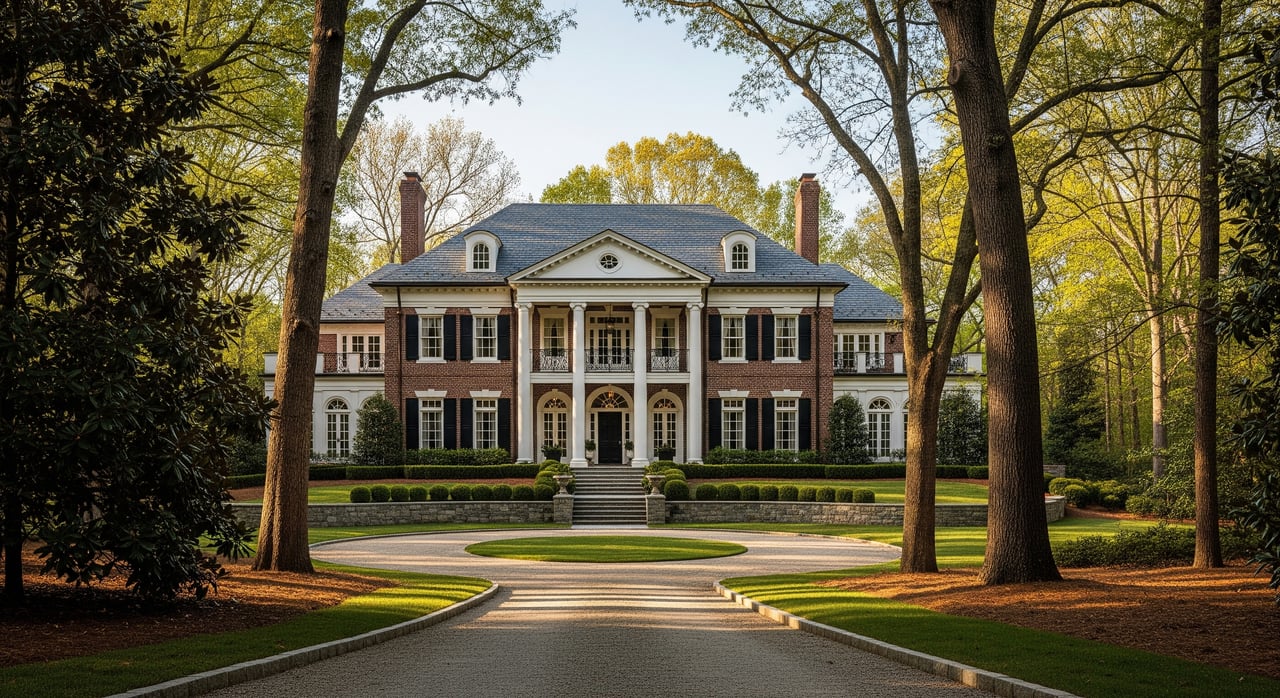
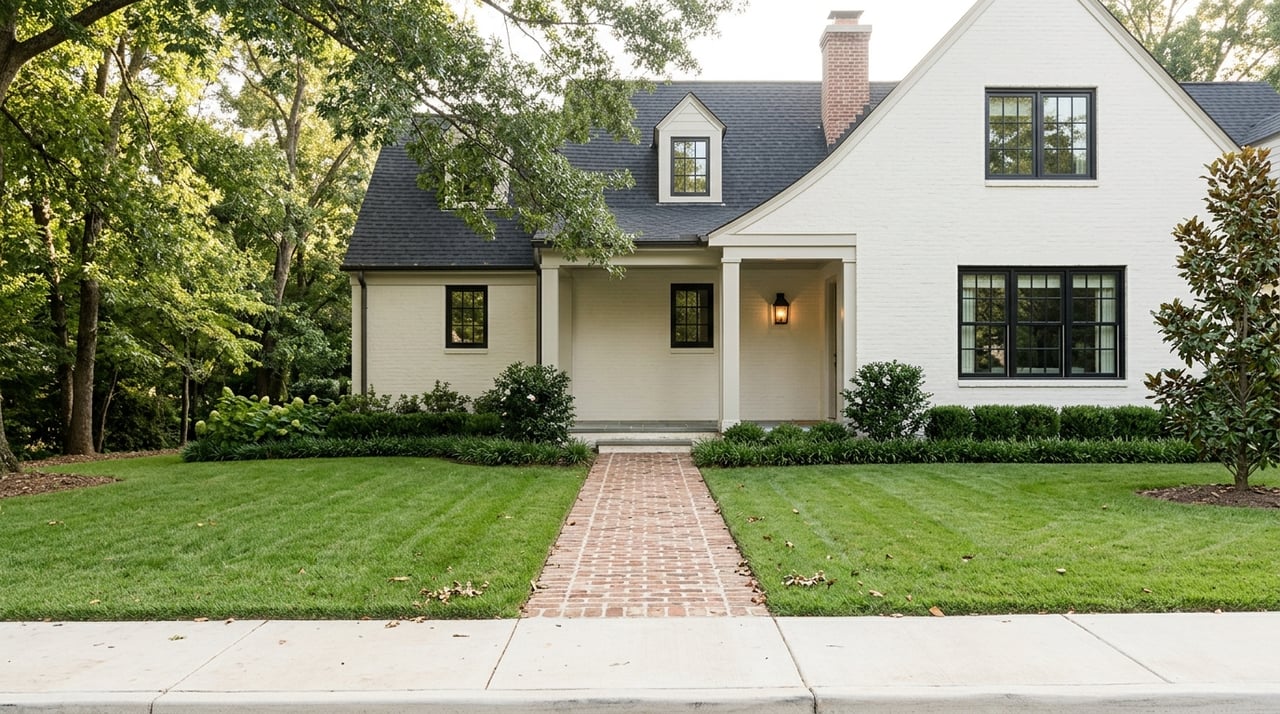
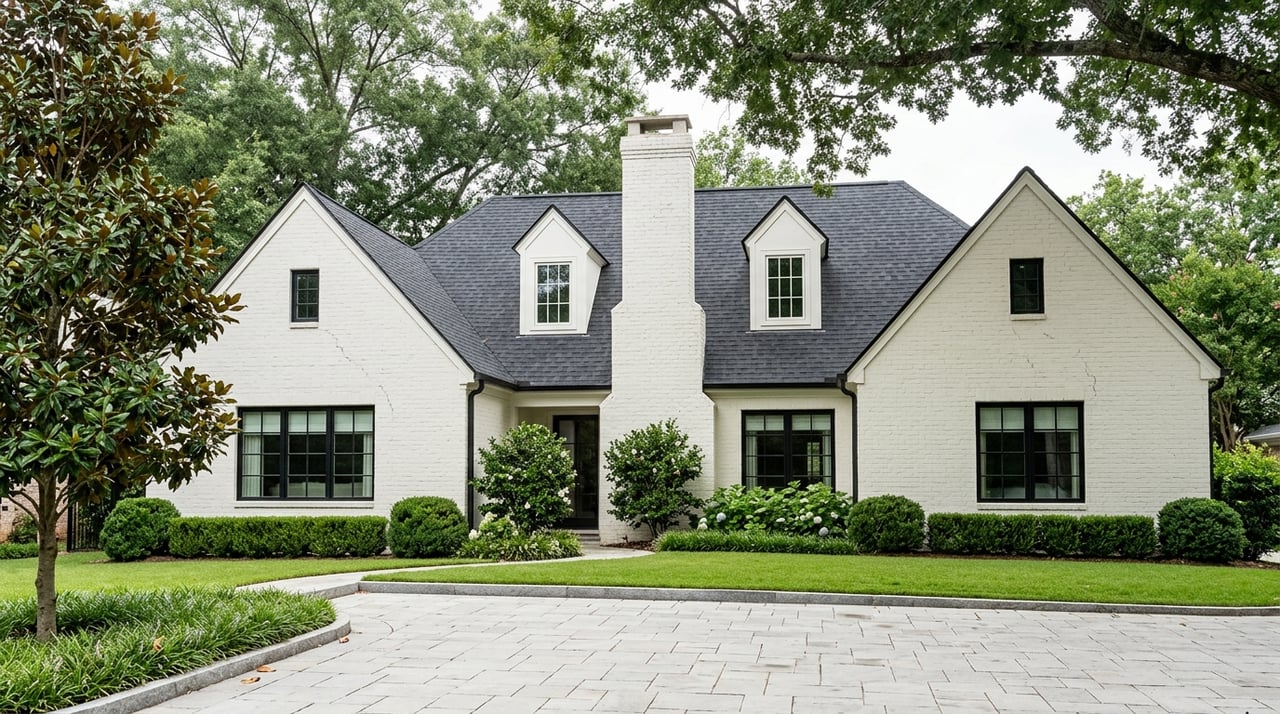
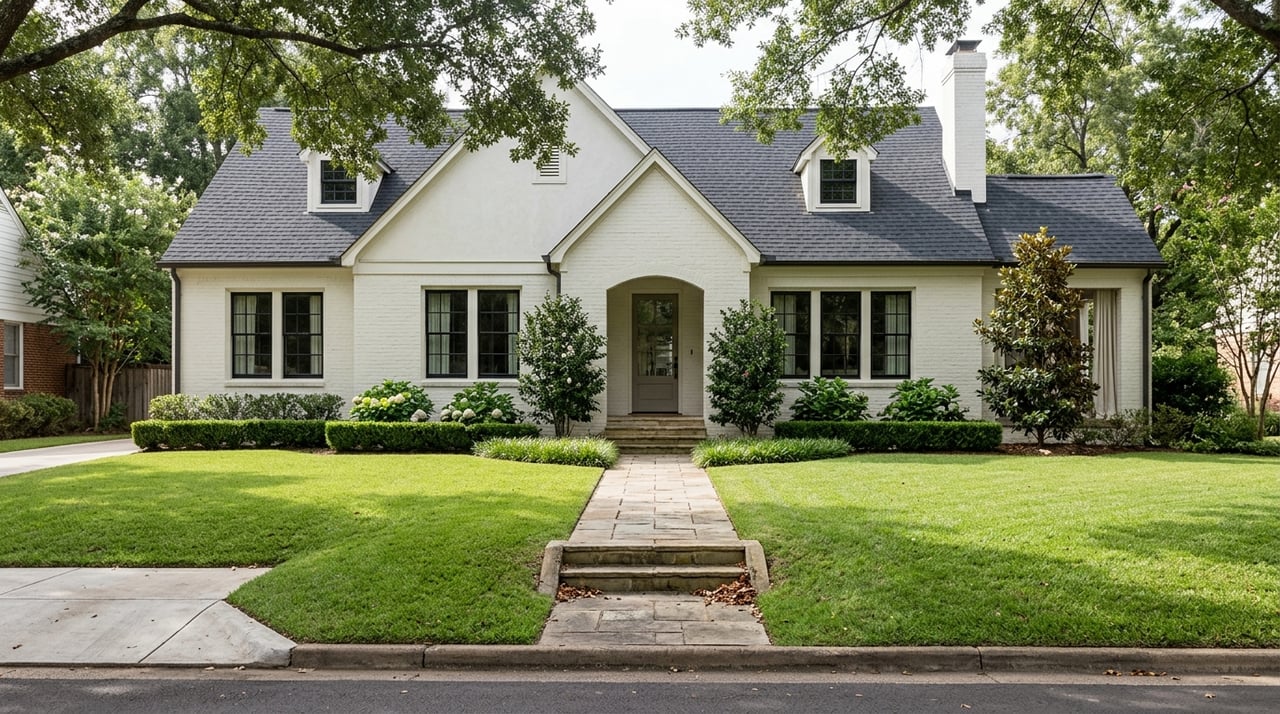
Homes from the 1920s to 1940s and later revivals show symmetry, brick or brick-and-stucco facades, formal entries, and multi-pane windows. Many sit on well-established, tree-filled lots with deeper setbacks, formal front yards, and private rear yards. Basements or finished lower levels are common where terrain allows. The masonry is durable, but you should expect modernization needs like mechanicals, insulation, and windows, especially in historic or covenant-controlled areas.
These homes largely date to the 1920s to 1940s, with later reproductions in historic pockets. Look for steep roofs, decorative half-timbering, brick and stone details, and arched doorways. Lots are often generous and park-like, with terraces and walkouts shaped by the terrain. The complex rooflines and detailed masonry can increase maintenance and roofing costs.
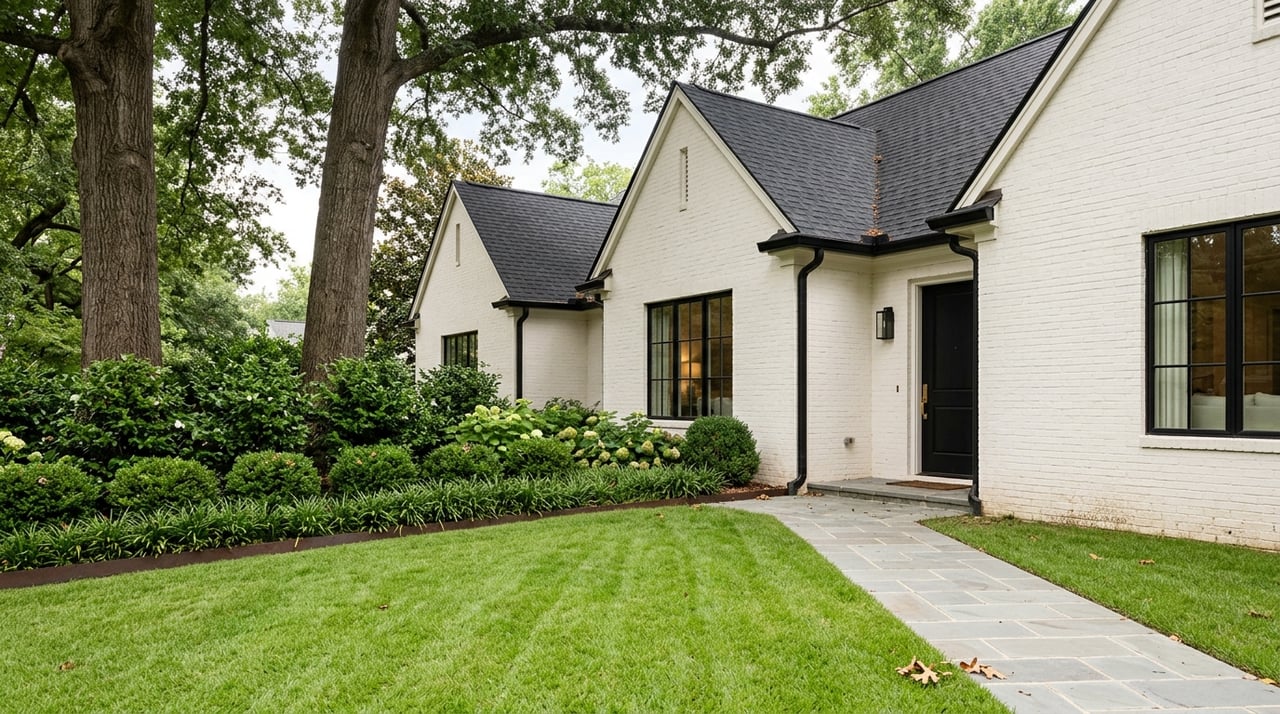
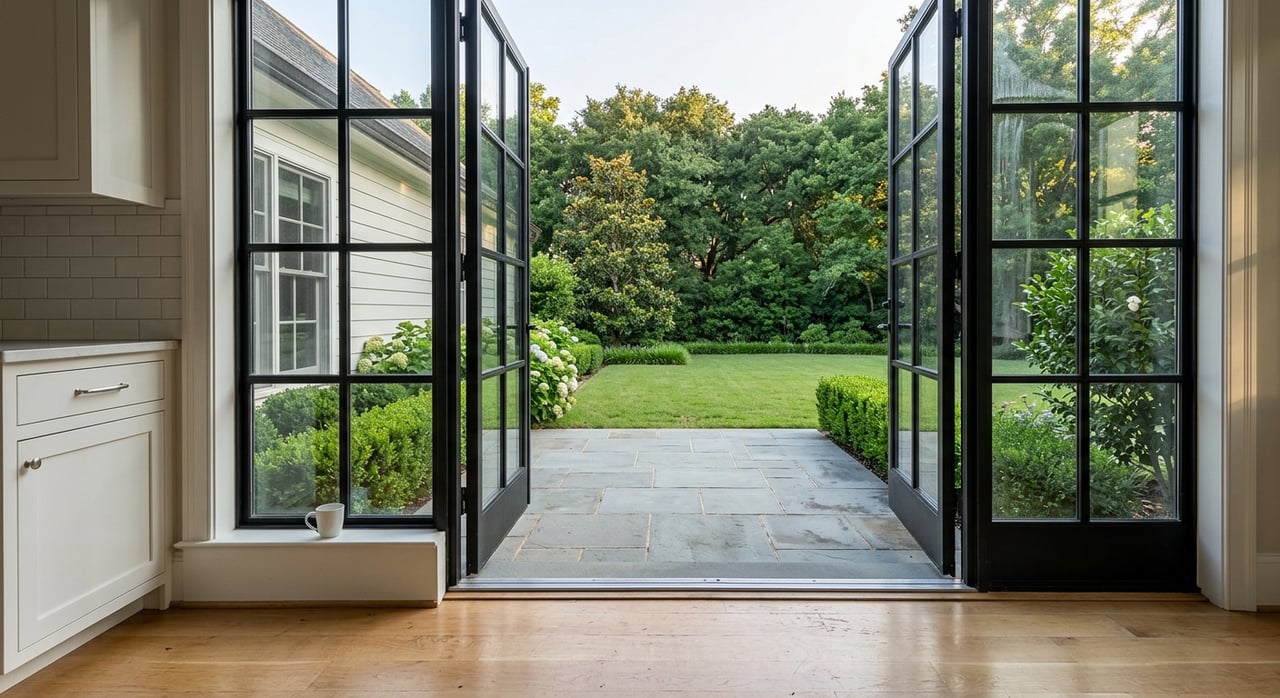
Postwar ranches from the 1940s to 1960s appear across Buckhead, many now renovated or fully reimagined. They offer single-story or split-level layouts, low rooflines, and in updated versions, more open living areas. Lots are typically moderate in size and favor indoor-outdoor flow with patios and backyards. Single-level living appeals if you want easier accessibility, though older systems, insulation, kitchens, and baths often need upgrades.
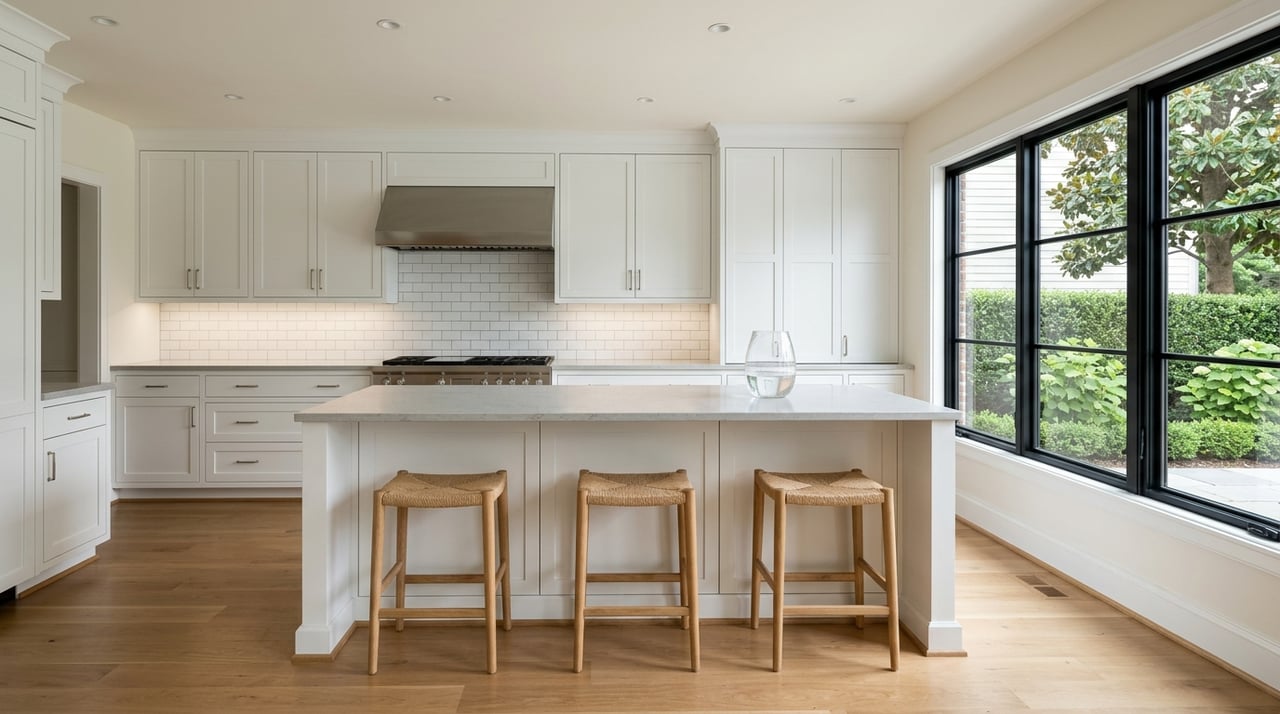
Recent infill construction brings clean lines, large windows, open plans, and modern materials like steel, glass, and composite cladding. These homes often maximize the buildable area within zoning limits and may reconfigure landscaping and tree canopy. Garage orientation and driveway placement vary by site. You may pay more upfront but benefit from newer systems, energy efficiency, and lower near-term maintenance.
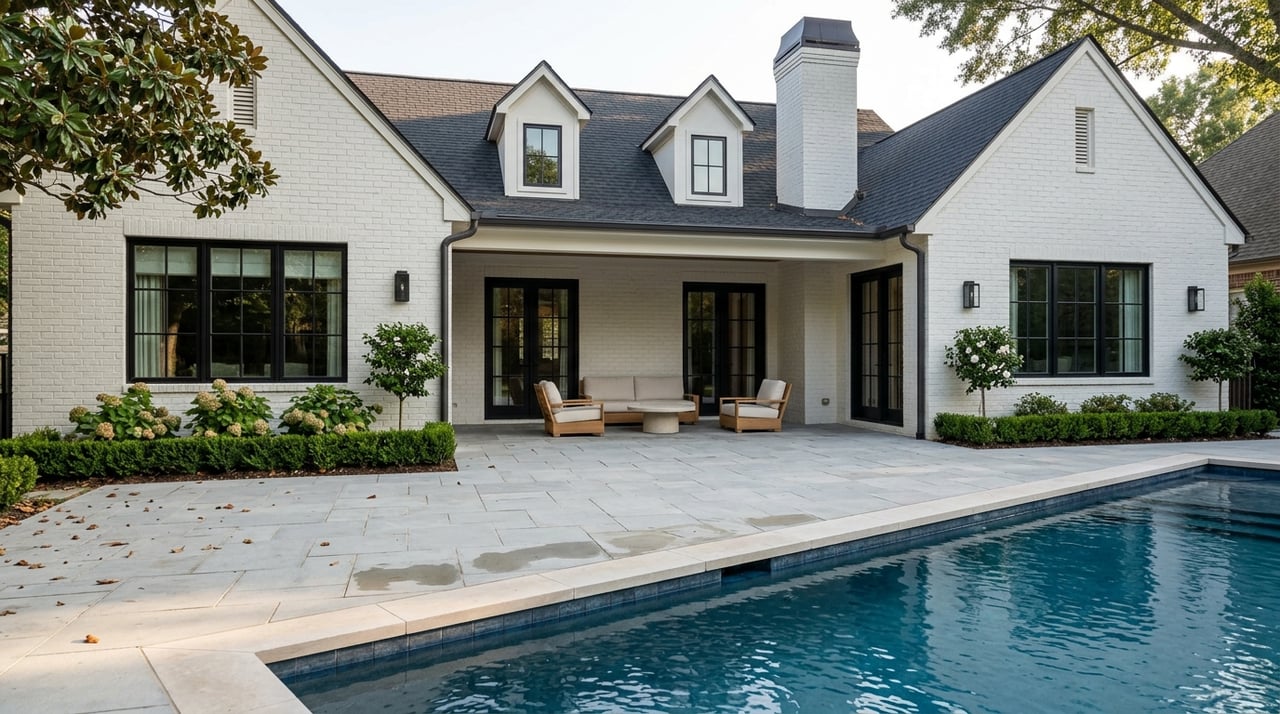
Large, heavily treed parcels offer privacy, longer driveways, and potential space for guest houses or pool houses where allowed. These lots sit in historic upper-Buckhead enclaves and often command a premium. Mature trees and deeper setbacks create a classic neighborhood feel. Always confirm what accessory structures zoning and covenants permit.
This is the most common Buckhead pattern, with front and back yards and mature landscaping. You will find them across neighborhoods like Garden Hills, Peachtree Heights, and parts of North Buckhead. They balance privacy and maintenance without the scale of an estate parcel. Many work well for additions, pools, or outdoor living upgrades within setback and coverage rules.
Near commercial nodes and transit corridors, lots can be tighter with higher house-to-lot coverage. Yards are more constrained, and street-parking dynamics matter more for guests and service providers. These sites may favor low-maintenance landscaping and efficient outdoor spaces. Confirm driveway, curb-cut, and garage orientation rules if parking is a priority.
Rolling topography is a Buckhead hallmark. Slopes can enable walk-out basements and layered outdoor living, but they may require retaining walls, erosion control, and engineered drainage. Stream corridors can introduce buffers or floodplain constraints. Plan for site work and consult maps and records before you commit.
City of Atlanta zoning governs front, side, and rear setbacks, maximum lot coverage, floor-area ratios, and impervious surface limits. Many neighborhoods also have overlay or historic-district rules, and some subdivisions have covenants that add design or placement controls. These regulations determine where you can add a garage, pool, or addition and how close you can build to the property lines. Ask the listing agent for the property’s zoning classification, any overlay or historic status, and whether variances or site plan approvals exist.
Buckhead’s mature oaks, maples, and pines define the area’s character and shade. The City of Atlanta enforces tree protection and replacement rules and requires permits for removal of certain specimen trees. Preserving large trees can limit buildable areas and affect foundations, driveways, and utilities. Expect tree work and protection measures to be part of project planning and budget.
Slopes shape the home footprint, outdoor living, and stormwater management. Some properties border creeks or include stormwater easements that carry regulated buffers or floodplain restrictions. Review FEMA flood maps and local easement records during due diligence. Engineering and landscaping plans may be needed to manage runoff and protect foundations.
Older blocks may include alleys and rear garage access. Utility, sewer, and drainage easements can limit where you can place additions or hardscapes. Confirm all recorded easements with a current survey and title review. Understanding access early helps you avoid costly surprises.
Think about your priorities and how they map to style and lot. If you want privacy and room to grow, a treed estate lot or a mid-size lot with addition potential could be ideal. If low maintenance and accessibility matter, a renovated ranch or a new-build with modern systems might make life easier. If you value historic character, look for Tudor or Georgian homes and plan for selective updates and exterior stewardship.
When you are ready to explore, connect with a team that lives and works here. For tailored guidance, off-market access, and a smooth search, reach out to Neumann & Co for a conversation about your Buckhead goals.
Stay up to date on the latest real estate trends.
Join Neumann & Co's thriving real estate team, where corporate America savvy meets personalized service! With a focus on win-win deals and tech-driven marketing, we ensure results tailored to your goals. Benefit from our expertise in Atlanta's communities and the perspective of a mother of five. Inquire now for unparalleled support and expertise!
Neumann & Co
Ansley Real Estate
Christie's International Real Estate
Address
3035 PEACHTREE RD NE
ATLANTA GA 30305